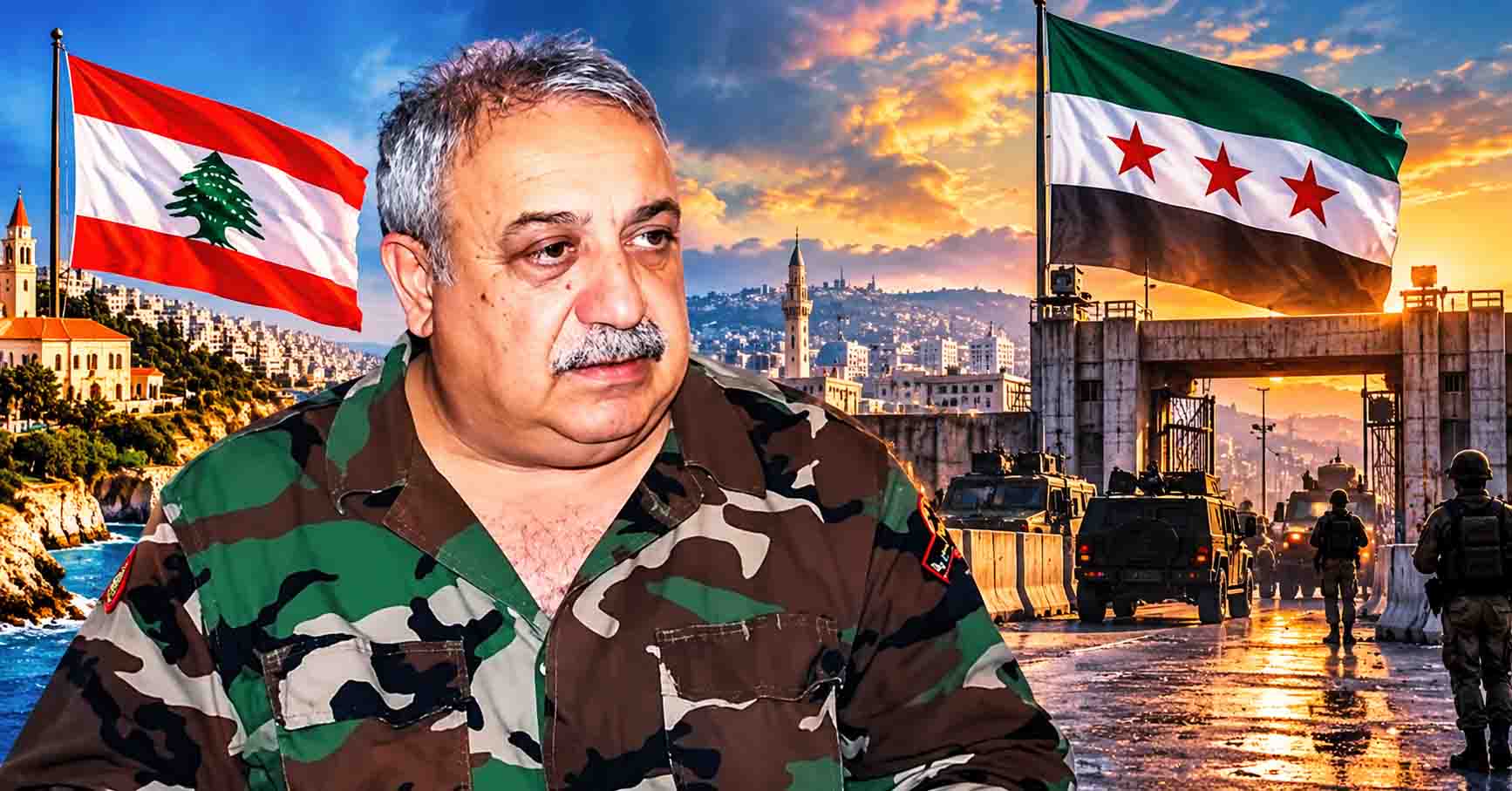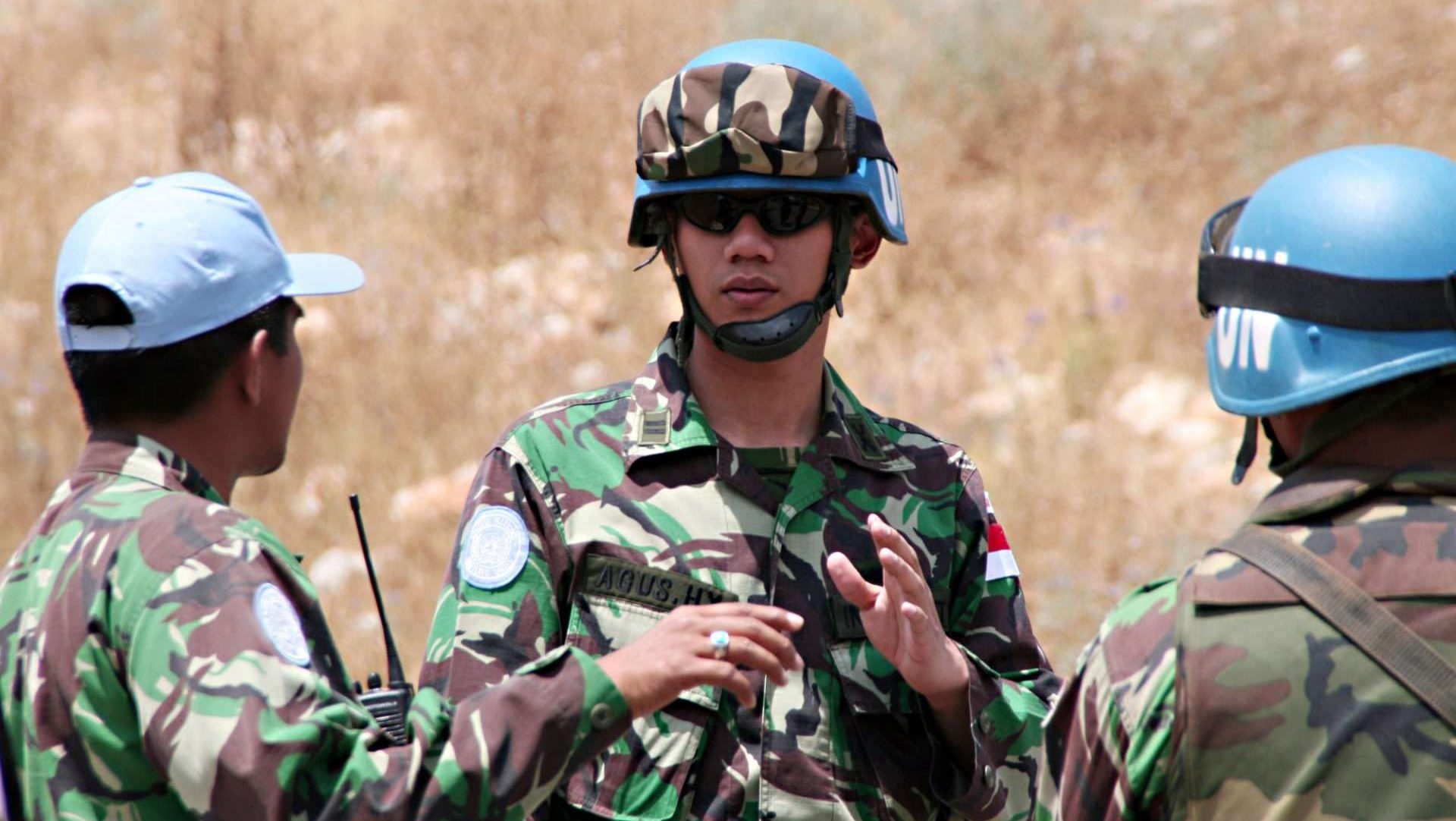
UNIFIL future in Lebanon has entered a decisive phase as UN peacekeeping chief Jean-Pierre Lacroix urges the Security Council to begin serious negotiations over what will replace the mission after its current mandate reaches its final date on December 31, 2026.
Lebanon is campaigning for an extension, while the existing Security Council framework calls for UNIFIL to cease its current operations at the end of the year and begin an orderly and safe drawdown and withdrawal during 2027.
UNIFIL future in Lebanon: Why does the UN want a decision soon?
Lacroix said proposals for a continued uniformed UN presence remain before the Security Council, but no decision has yet been taken.
He argued that clarity is needed sooner rather than later because the mission must plan for personnel, equipment, bases and the transfer of responsibilities.
Without a new Security Council decision, UNIFIL cannot simply assume that its current operational mandate will continue beyond December.
About 7,500 peacekeepers remain at roughly 50 positions
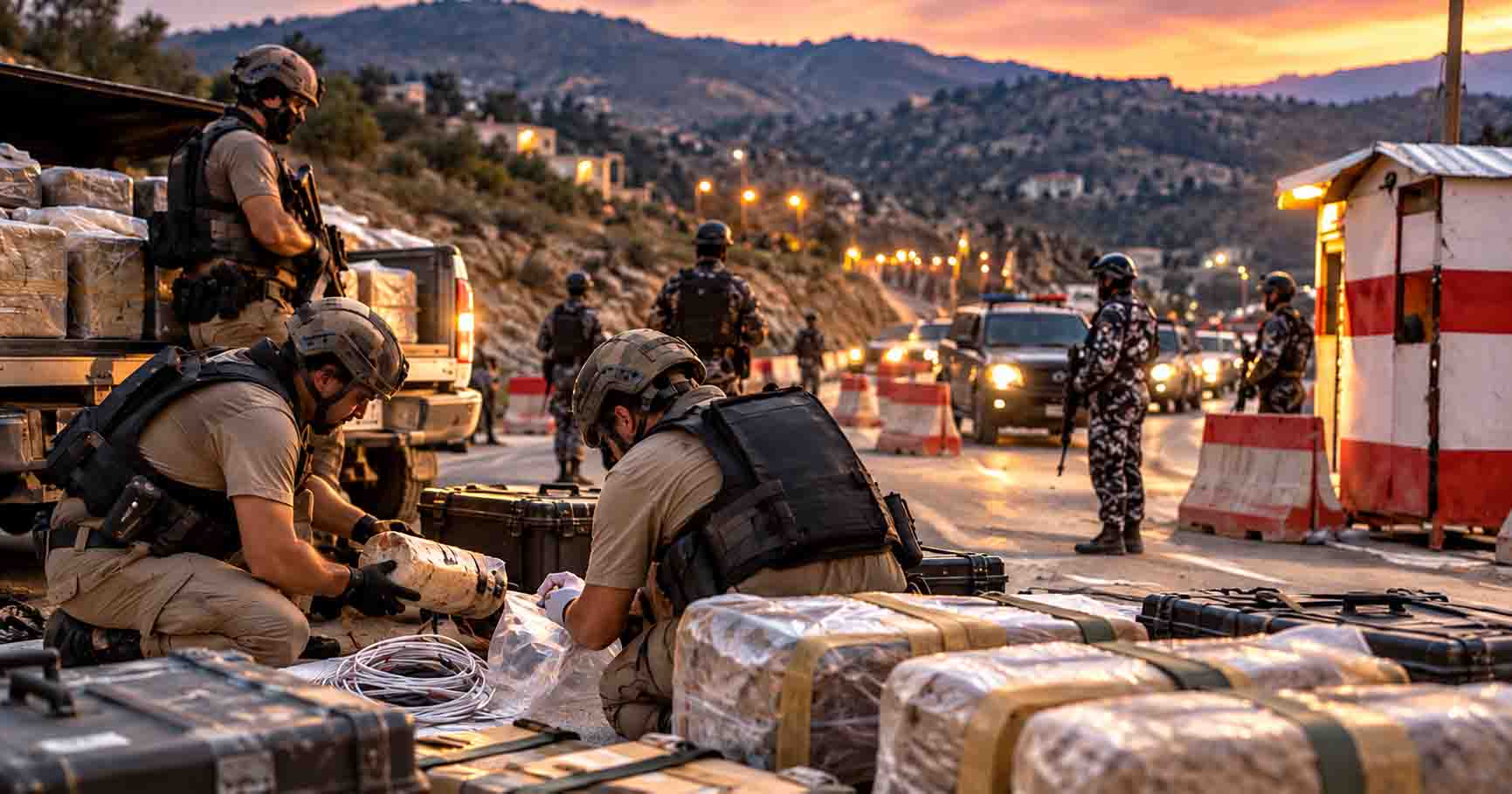
Some 7,500 UNIFIL peacekeepers remain deployed across about 50 positions in southern Lebanon.
If no new arrangement is approved, Lebanese Armed Forces personnel would eventually be expected to assume responsibilities as UNIFIL draws down.
That process is complicated by the fact that most of the current UN positions are in areas now occupied by Israeli forces, according to Reuters, leaving uncertainty over how Lebanese troops could take control of them.
Lebanon is pushing for an extension
The Lebanese government has campaigned for UNIFIL’s mandate to continue, citing the force’s role in monitoring hostilities and facilitating humanitarian access in affected areas.
Beirut is particularly concerned about the risks of a rapid security transition while tensions and military deployments continue across southern Lebanon.
No new Security Council resolution extending the mission has yet been adopted.
US position could complicate an extension
Diplomats cited by Reuters said the United States is not supportive of extending UNIFIL’s current mandate.
Lacroix nevertheless said Lebanon’s request should be taken seriously and expressed hope that negotiations in the Security Council could produce a constructive outcome.
The future of the mission therefore remains open rather than formally decided.
Guterres has proposed a continued UN presence
UN Secretary-General Antonio Guterres earlier presented options for some form of continued uniformed United Nations presence in Lebanon after the current mandate ends.
Lacroix said those proposals remain before the Security Council but have not yet moved forward.
The choice could ultimately involve a revised UN presence, a different structure or implementation of the existing withdrawal timetable.
Why handing positions to the Lebanese army is difficult
The handover of UNIFIL positions presents one of the most difficult practical questions.
Israeli forces are present in areas containing many UN positions, making a straightforward transfer to the Lebanese army uncertain.
Lacroix said clarity about what comes next would help prevent UNIFIL from leaving positions prematurely before a successor arrangement is known.
The hotline that helps prevent escalation
UNIFIL also operates a deconfliction channel between the Lebanese and Israeli militaries.
Lacroix described that function as particularly important when forces from both sides are operating within the same broader geographic area.
Without a third party able to communicate with both militaries, a local incident could carry a greater risk of escalating beyond control.
What does UNIFIL’s current mandate say?
UNIFIL was created in 1978 and received an expanded role under Security Council Resolution 1701 following the 2006 war.
Its tasks include monitoring the cessation of hostilities, supporting the deployment of the Lebanese Armed Forces in the south and facilitating humanitarian access.
The current final extension runs through December 31, 2026. From that date, the mission is due to begin an orderly and safe drawdown and withdrawal within one year unless the Security Council adopts a different arrangement.
Europe is also preparing for a larger support role
The European Union has separately established plans for a new support mission aimed at strengthening the Lebanese Armed Forces and Internal Security Forces.
Profile News previously examined the EU Lebanon support mission, including its planned work on border security, maritime security, cybercrime and anti-smuggling capabilities.
The EU mission should not, however, be treated as a direct replacement for UNIFIL because it has not been given the same peacekeeping, monitoring or deconfliction mandate.
Three broad scenarios for southern Lebanon
Based on the current mandate and proposals under discussion, three broad possibilities remain.
The Security Council could approve a continued or modified UN presence, create a different international arrangement, or allow the existing timetable to proceed and begin the drawdown in 2027.
None of those outcomes has yet been formally selected.
Why the decision cannot wait until December
The urgency is partly political but also operational.
A peacekeeping force of thousands of personnel cannot relocate equipment, close or hand over positions and transfer responsibilities overnight.
Lebanon’s security institutions also need clarity about the tasks they may inherit and the timing of any transition.
What happens on January 1, 2027 if nothing changes?
Under the framework currently in force, UNIFIL would move from its existing operational mission into the drawdown and withdrawal phase after December 31.
The difficult security environment means that would not be a simple administrative closure.
The coming Security Council negotiations will therefore determine whether southern Lebanon enters 2027 with a revised international security presence or with the beginning of the end of a mission that has operated there for nearly five decades.